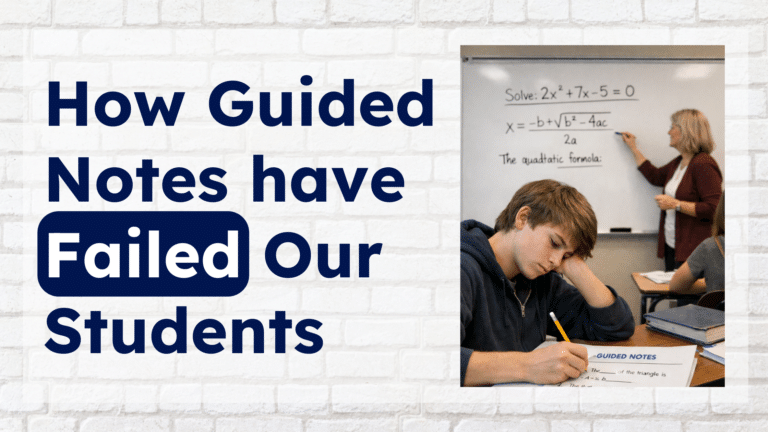
I remember when a student wanted to add 12 to both sides of “12 + x = 15” because “there wasn’t a sign in front of the 12.” That moment made me realize my students were just following algorithms without deep understanding.
That’s when it hit me…
Students create their own examples and solutions
Questions with multiple pathways, not just one right answer
Getting students up and engaged physically
Safe spaces to make mistakes and try again
Collaborative learning that builds community
I focus on confidence first, engagement second. Most strategies promise engagement but don’t address the underlying issue: students who don’t believe they can understand math won’t engage deeply, no matter how “fun” your activities are.
Everything I teach is realistic and practical. I’m a middle school math teacher myself, working with students at every level, from those who come in hating math to those ready for extra challenge. I understand Title I schools, high behaviors, and chronic absenteeism because I live it every day.
No complete overhauls required. My strategies work with whatever curriculum or materials you’re already using. You don’t need hours of prep time or permission to change your assessments – just intentional approaches that build confidence.
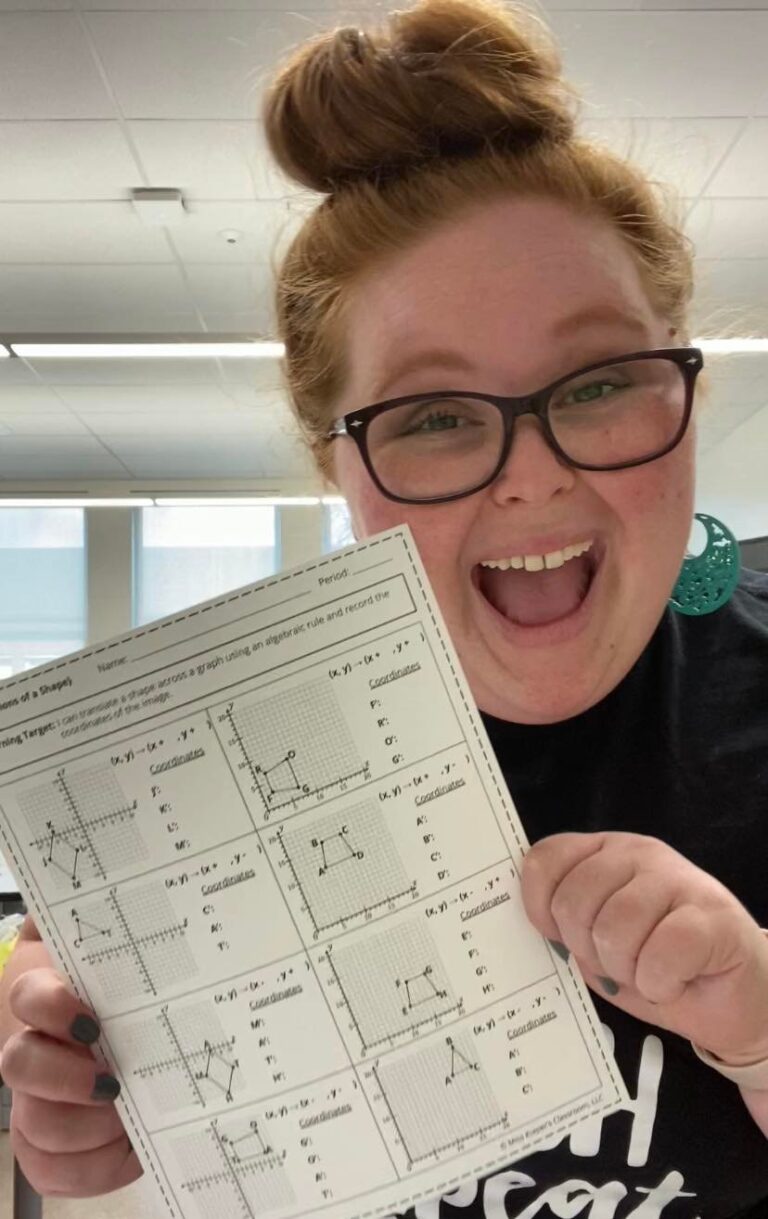
I teach eighth grade math and Algebra 1 at a Title I school, which means I work with students who are often below grade level and dealing with challenges that go way beyond math. I started Miss Kuiper’s Classroom because I wished I had these strategies during my first year of teaching.
I’ve spoken at conferences, host the Solving for the Undefined podcast, and my resources have been used by thousands of teachers. Most importantly, I get what it’s like to feel overwhelmed and under-supported. Everything I’ve built comes from “I wish I had this.”
Listen as I share practical strategies, interview other educators, and help you develop your intrigue for math while doing the same for your students.
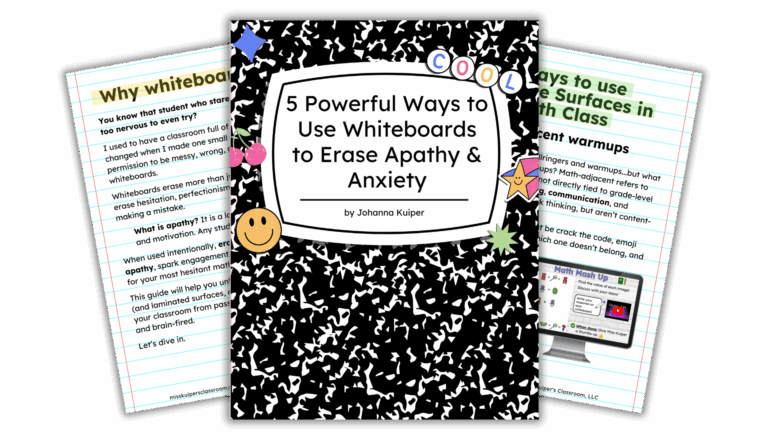
This quick PDF gives you five whiteboard-based strategies that get students participating, reduce fear of making mistakes, and help students take ownership of their learning. These are strategies you can use tomorrow without hours of prep work.
You don’t need a complete curriculum overhaul or hours of extra prep time. You just need intentional strategies that address the real issue: helping students believe they can actually understand math.
When students feel confident and safe to make mistakes, they’ll surprise you with their curiosity and engagement.